Designing for Calm: The Art of Minimalist Interiors
How restraint, material honesty, and negative space create spaces that breathe.
Minimalism in interior design is not about emptiness. It is about intention. Every object earns its place, every surface breathes, and every room tells a story without shouting it.
Start with subtraction
The first step in designing a minimalist space is not choosing what to add, but deciding what to remove. Strip the room to its bones and ask what truly needs to be there.
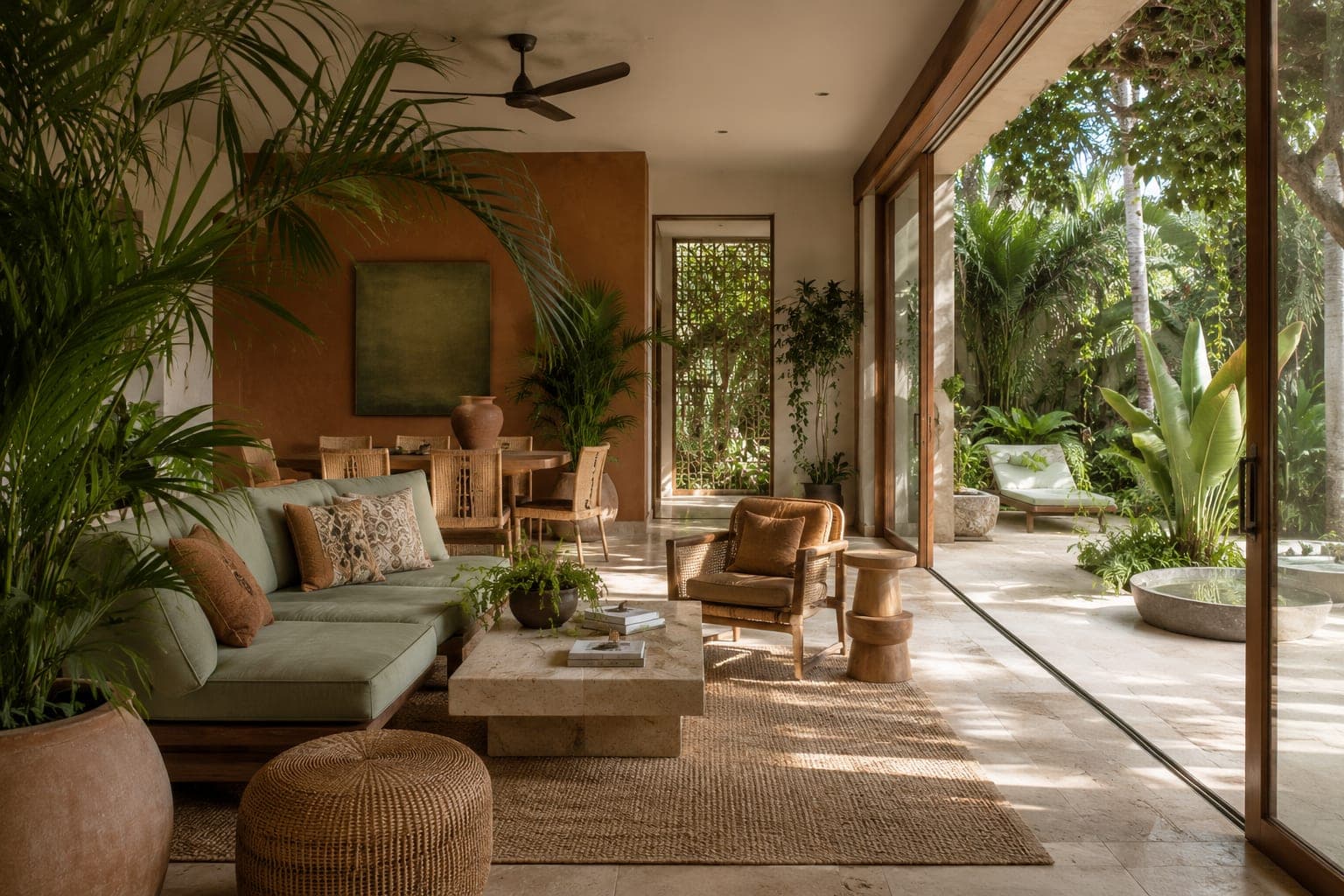
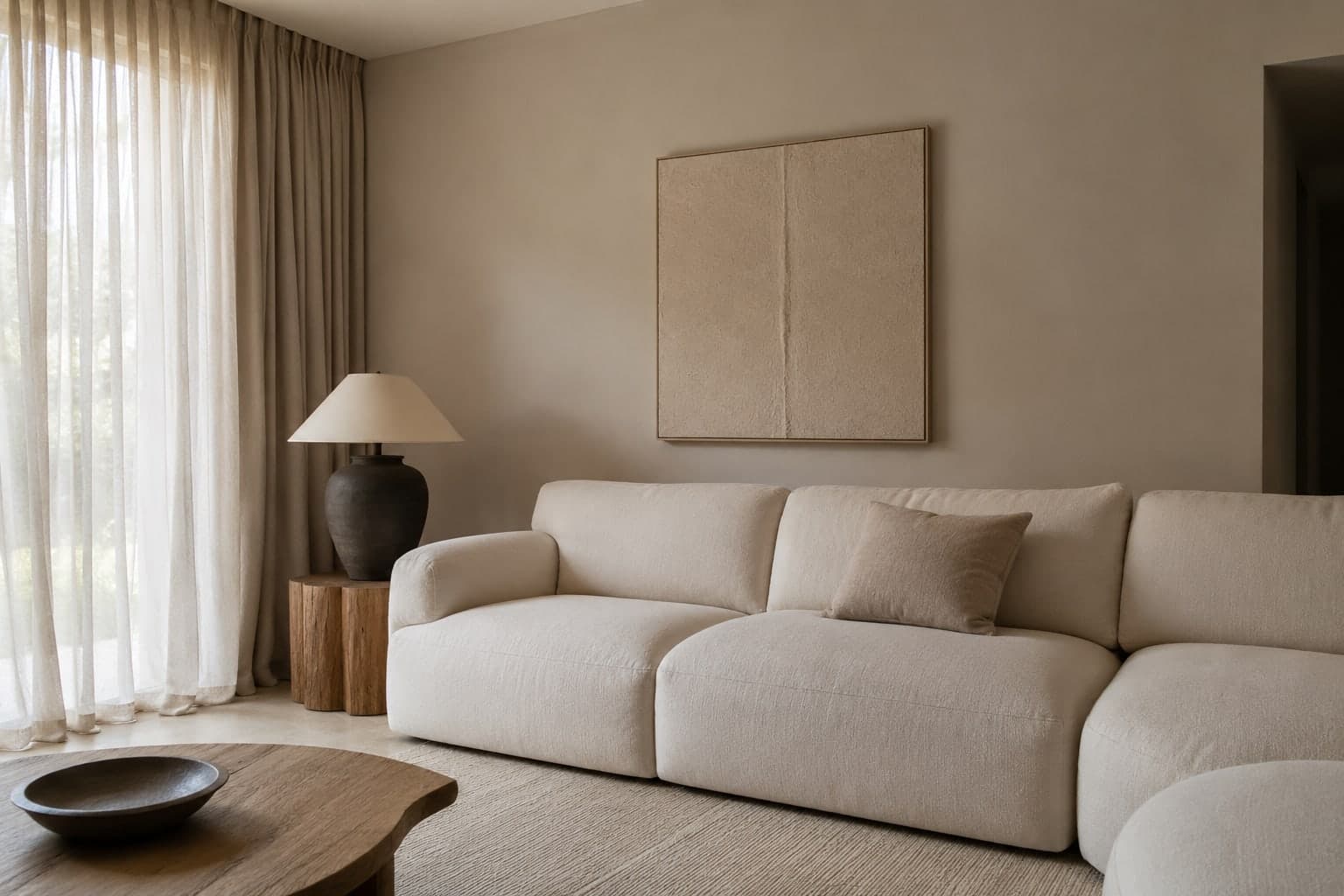
Natural materials like stone, linen, and raw wood bring warmth without visual noise. A single statement piece — a sculptural lamp or an oversized artwork — does more than a wall of decor ever could.
Negative space is not wasted space
The gaps between furniture, the empty wall, the bare corner — these are not failures of design. They are the pauses in a sentence that give meaning to the words around them.
Colour as a tool, not decoration
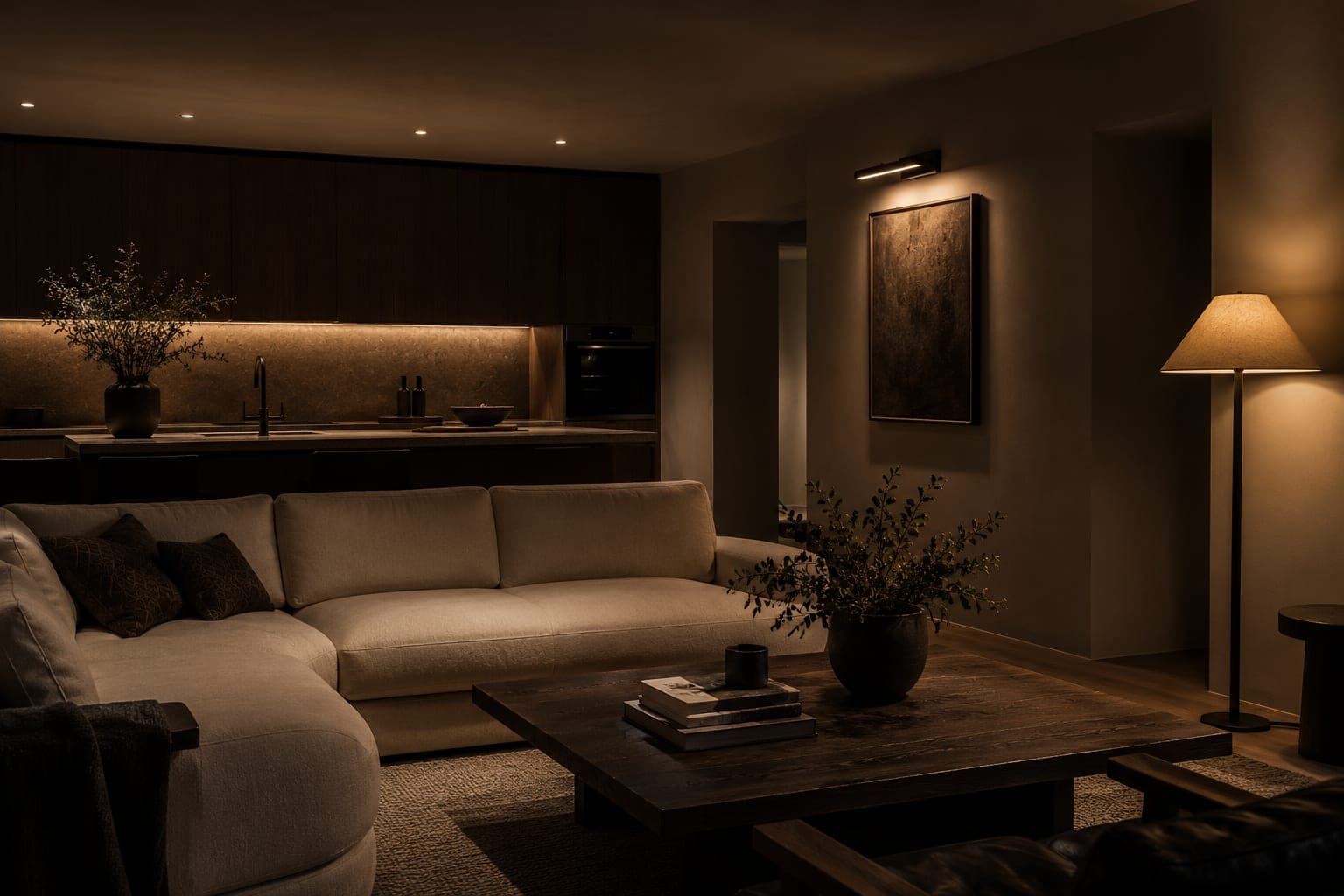
A minimalist palette does not mean white walls. It means a deliberate, limited range of tones that work together. Warm greiges, deep charcoals, and muted sage greens can create richness without complexity.